Retail Software
 Distribution Software
 Retail Chain

How Technology Is Transforming Supply Chain Management for Retail Industry?

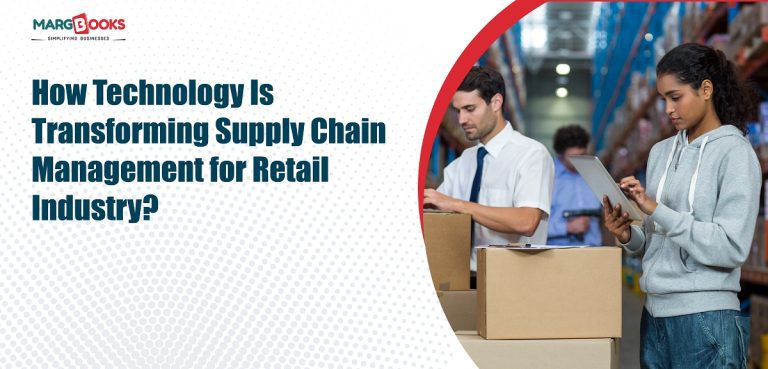
In today’s highly competitive market landscape, retailers face immense pressure to meet growing customer demands, manage inventories efficiently, and reduce operational costs, all while maintaining profitability.
One of the most critical tools enabling this balance is supply chain management for the retail industry. From sourcing to the final sale, an efficient supply chain ensures that products reach consumers at the right time, in the right place, and at the right cost.
What is Supply Chain Management for Retail Industry?
Supply chain management for the retail industry refers to the coordination and integration of all activities involved in the procurement, production, and distribution of retail goods. It encompasses everything from supplier relationship management and inventory control to logistics, data analytics, and customer service.
Retail businesses operate on tight margins and must contend with fluctuating customer preferences. This makes supply chain optimization not just a cost-saving tactic but a strategic necessity. A streamlined supply chain allows retailers to respond to market changes swiftly and maintain an edge over competitors.
Key Components of Retail Supply Chain Management
A fast-paced retail environment demands efficient supply chain management to stay competitive and meet customer expectations. Every stage, from sourcing to final delivery, must be streamlined and data-driven. The key components of retail supply chain management:
1. Inventory Management
Inventory is the backbone of a retail business. Maintaining the right stock at the right time is critical to customer satisfaction. Advanced inventory management systems can track sales in real time and adjust replenishment orders automatically. This reduces the risk of excess inventory and also potential losses from stockouts.
2. Demand Forecasting
Accurate forecasting helps retailers anticipate customer demand and plan supply accordingly. It involves analyzing historical sales data, market trends, seasonality, and promotional activities. Improved forecasting minimizes waste and ensures shelves are stocked with products that customers want to buy.
3. Supplier Relationship Management
Building strong relationships with suppliers ensures reliability and quality. Retailers often partner with multiple suppliers to diversify risk and negotiate better terms. Timely communication and collaborative planning help optimize procurement processes.
4. Logistics and Distribution
Efficient transportation and distribution networks are essential to move products quickly and cost-effectively. Retailers may use third-party logistics providers or manage their fleet based on scale and complexity. Proper logistics management improves delivery speed, reduces damages, and helps meet customer expectations for faster shipping.
5. Technology Integration
Technology plays a vital role in modernizing supply chain management for the retail industry. Software solutions such as warehouse management systems (WMS), transportation management systems (TMS), and enterprise resource planning (ERP) tools provide real-time visibility into inventory and shipments with MargBooks. Retailers also utilize online billing software and accounting software to streamline financial transactions related to purchase orders, invoicing, and payments.
Benefits of Effective Supply Chain Management in Retail
Implementing robust supply chain management for the retail industry offers several advantages:
- Reduced Costs: By optimizing procurement, inventory, and logistics, businesses can significantly lower operational expenses.
- Improved Customer Satisfaction: Timely product availability and quick response to demand changes result in higher customer trust and retention.
- Better Cash Flow Management: Controlled working capital through optimal inventory management and timely payments using integrated accounting software tools.
- Sustainability: Reduced waste and efficient use of resources align retail operations with sustainable business practices.
The Role of Technology in Retail Supply Chains
Technology is the backbone of modern supply chain management for the retail industry. Cloud-based platforms and ERP systems provide real-time data and analytics that enable proactive decision-making. Retailers increasingly rely on online billing and accounting software to handle transactions, track financial performance, and manage compliance across multiple channels.
For example, billing software automates invoice generation and payment tracking, reducing manual errors and speeding up cash flows. Accounting software, on the other hand, helps in budgeting, financial forecasting, and reconciling sales data across branches. Integrating these tools with supply chain systems ensures better coordination between financial and logistical operations.
Challenges in Retail Supply Chain Management
Despite the benefits, managing a retail supply chain comes with its own set of challenges:
- Demand Volatility: Customer preferences shift rapidly, and failing to anticipate trends can result in overstock or understock situations.
- Global Sourcing Risks: Many retailers source products globally, making them vulnerable to geopolitical tensions, currency fluctuations, and international regulations.
- Last-Mile Delivery: Ensuring quick and cost-effective last-mile delivery is often difficult, especially in remote or densely populated areas.
- Data Security: With increased reliance on digital tools, ensuring the security of sensitive data and compliance with privacy laws becomes critical.
Conclusion
In an increasingly competitive and fast-paced retail environment, supply chain management for the retail industry is more important than ever. It plays a central role in determining a retailer’s ability to meet customer expectations, control costs, and stay ahead of the competition with MargBooks.
By integrating advanced technologies such as online billing and accounting software and adopting agile and data-driven approaches, retailers can build supply chains that are not only efficient but also resilient and future-ready.
Whether you’re a small boutique or a large retail chain, refining your supply chain is no longer optional; it’s a strategic imperative. Embrace innovation and productivity today to get long-term success tomorrow.