Retail Software
 Distribution Software
 Retail Chain

What are Common Mistakes in Recording Assets in Accounting?

Accurate recording of assets in accounting is very important for any business in India. Assets represent resources owned by a business which are used to create an economic benefit in the future. If incorrectly recorded, and distortions of profit, tax liability and financial position. Many MSMEs make mistakes in capitalising purchases, calculating depreciation or handling many components of GST. These mistakes lead to compliance issue and queries during audit.
Proper recording of assets makes presentable and accurate balance sheets and reports profit. Whether you have a retail shop or manufacturing unit or service firm, knowing about common mistakes involving assets helps you out to be financially accurate and tax-compliant.
Understanding Assets in Accounting
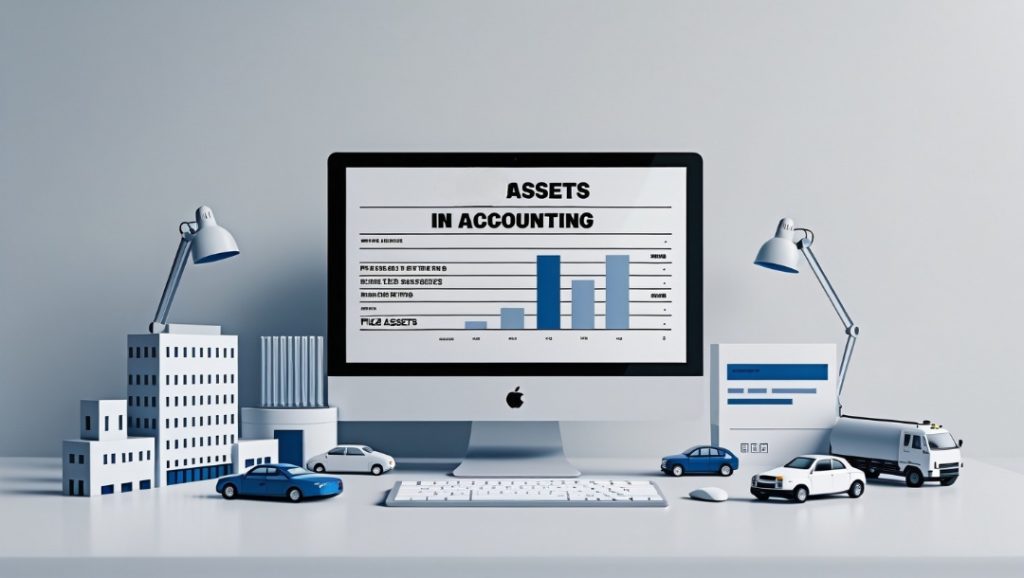
The assets in accounting involve items that a business possesses that bring benefits further down the road. These include:
- Land and building
- Plant and machinery
- Furniture and fixtures
- Computers and Office Equipment
- Vehicles
- Intangible assets, e.g., software licenses
Assets in accounting are acknowledged in the balance sheet. They are not considered immediate expenses unless they are consumed during the year. Correct classification determines depreciation, tax impact as well as reporting accuracy.
Recording Capital Expenses as Revenue Expenses
Businesses tend to include purchases of machinery, furniture or equipment as normal expenditure in the Profit & Loss account rather than capitalising the purchases.
Why It Happens?
- Lack of accounting clarity
- Small businesses do not review ledger grouping
- Manual entry errors
Consequences
- Reduced profit reported in the current year
- Incorrect asset base
- Wrong depreciation claim
Practical Example
A manufacturing company in Gujarat bought a machine that costs ₹8 Lacs. Instead of including it in Plant and Machinery. The accountant accounts it under Repairs and Maintenance. The profit reduces sharply. The balance sheet does not reflect the new machine. Depreciation is not claimed properly. Structured systems such as MargBooks software helps ensure the correct mapping of the ledger when making a purchase entry, under Assets in accounting.
Incorrect Asset Classification
- Recording vehicle under office equipment.
- Mixing Furniture with Inventory.
- Treating the intangible asset of the software purchase as an expense.
Why Classification Matters?
Various asset categories have different rates of depreciation in income tax act. Incorrect grouping leads to:
- Wrong depreciation
- Incorrect written down value
- Audit objections
Modern software helps in minimizing such errors with the help of predefined asset groups. Our GST platform enables proper asset head creation with good categorisation controls.
Ignoring Depreciation
Some MSMEs record asset purchase and they forget to record depreciation from the asset yearly.
- Overstated profits
- Inflated asset values
- Incorrect tax calculation
Depreciation is an expression of the usage of an asset over time. Under Indian accounting standards and tax laws, depreciation has to be calculated based on prescribed rates.
If depreciation is skipped:
- Balance sheet is no longer accurate
- Tax liability increases
- Financial analysis becomes unreliable
Overstating Asset Values
- Not a decrease in accumulated depreciation
- Capturing repair costs incorrectly
Capital expenditure has the effect of increasing the value of assets in accounting. Repair expense does not. Confusing the two inflates figures of assets.
Resulting Problems
- Distorted net worth
- Misleading Financial Statements
- Possible scrutiny at the time of assessment by the bank for loan.
There is clear documentation and the journal entries are correct so as to prevent overstatement, under the Assets in accounting.
Not Recording GST Component Properly
In the case of buying capital goods:
- GST is added to the value of assets and not claim to Input Tax Credit.
- Input credit is missing
- Incorrect GST ledger used
Under GST law there is a strict provision that eligible input credit on capital goods will be recorded separately and claimed.
Improper handling leads to:
- Higher asset cost
- Blocked working capital
- GST return mismatches
A good GST billing software ensures proper segregation of the value that is taxable and the GST input. Our system has inbuilt GST compliance checks to prevent misreporting.
Failure to Remove Disposed Assets
Businesses sell old equipment but forget to write it off the books.
What Should Be Done?
- Pass asset disposal entry
- Eliminate cost, accumulated depreciation
- Record profit or loss on sale
If not removed:
- Assets remain overstated
- Depreciation continues to be wrongly
- Financial reports lose credibility
This is an error commonly made in retail stores that dispose of old billing counters or computers.
Poor Documentation
- Missing purchase invoices
- No fixed asset register
- No serial number tracking
- Blurred ownership records of assets
Documentation is important during:
- GST audits
- Income tax assessments
- Statutory audits
Maintain:
- Asset register, including purchase date
- Invoice copy
- Depreciation schedule
- Location tracking
Our accounting software helps in maintaining asset records in a tidy way so as to reduce the stress of audit.
Consequences of Asset Recording Mistakes
Errors in assets in accounting cause serious distortion in the financial statements.
1. Distorted Balance Sheet
Asset values become unreliable. Investors and banks cannot have faith in financial position.
2. Incorrect Profit Calculation
If the capital expenses are erroneously considered, then profit fluctuates falsely.
3. Compliance Risks
Wrong input GST claim may attract notices
4. Audit Objections
Statutory auditors have a close look at asset schedules. Errors give rise to qualifications/remarks. For MSMEs when they want government benefits or loans, they will need clean financial records.
How Businesses Can Avoid These Mistakes?
Follow practical steps:
- Maintain a fixed asset register
- Capitalise the eligible purchases only
- Review D&A on an annual basis
- Separate Input of the GST properly
- Remove disposed assets as soon as possible
- Use the type of structured digital systems
Implementing the reliable tools reduces risks on manual. Our MargBooks software supports grouping of assets in accounting, GST and depreciation in the same system. This ensures a better compliance and clarity.
Conclusion
Proper recording of Assets in Accounting is not an option. It has a direct impact on profit and tax liability and financial credibility. Mistakes such as incorrect classification, neglect of depreciation, wrong option incdot GST treatment, and failure to de-list the disposed asset are likely to create a distortion among the financial statements and also lead to compliance concerns.
The businesses need to maintain accurate asset registers and have to review entries on a regular basis. Using structural systems such as MargBooks software and accounting disciplines help in maintaining. Accounts that assets in accounting reflect a true financial position. Accurate reporting of assets generates trust levels with both auditors, banks, and tax authorities and maintains long-term well-being for business.